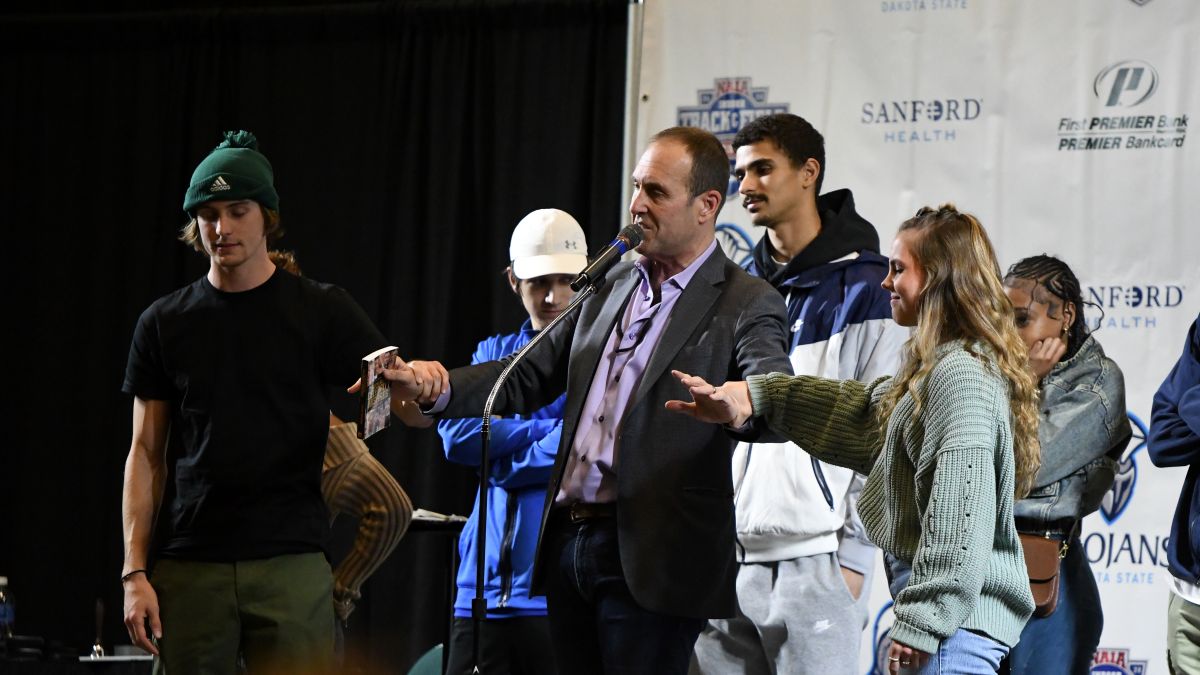
As a professional mentalist, I’m sneaky. Or at least…strategic.
Before I ever walk on stage, I’m already gathering information.
When I perform on luxury cruise ships, my introduction ends with the line, “He has been called the world’s greatest mind reader. But he is not psychic. He has no special powers. He is just in the business of freaking people out.”
That final line has a purpose.
I’m listening for the laugh.
Usually, they laugh. Not a huge laugh. Not applause. Just enough to release a little tension in the room before I walk out. But over the years, I realized something important: the laugh itself is not what matters. What matters is what the laugh tells me.
If the reaction is quick and playful, I know the audience is relaxed and ready to go with me. If the laugh feels polite and restrained, I know trust is going to take a little longer to build. And if the reaction is big and unified, I know I can stretch suspense earlier because the audience is already giving me permission to lead them.
All of that information arrives before I ever say a word.
Communication Begins Before You Speak
That fascinates me, because most people think communication begins when the presentation starts, the meeting opens, or the first slide appears on the screen. In reality, people are making decisions long before that moment. They are deciding whether they trust you, whether they feel comfortable, and whether they are willing to follow where you are about to take them.
This idea sits at the foundation of my work as a speaker, and honestly, it is one of the things I’m most passionate about teaching. If I can help people become aware of the signals they are sending without realizing it, and help them recognize the subtle reactions they are getting back in return, I can help them become dramatically more effective communicators.
Because the fact is, the smallest reactions often reveal the most.
That is why I pay attention to things most people ignore. A laugh. A pause. A shift in posture. The way people look at each other after a comment lands. Those moments usually tell you far more than the words themselves, because they reveal what people are feeling before they ever decide to say it out loud.
For leaders, presenters, and sales professionals, this level of awareness can completely change the way communication works inside an organization
The Strongest Communicators Read the Room
I see the same thing happen constantly in business settings. A leader walks into a meeting with a clear plan and immediately starts driving forward, never realizing the room is still guarded. A presenter launches into information before the audience is emotionally ready to receive it. Someone senses hesitation and responds by adding more energy, more words, and more pressure instead of slowing down long enough to understand what the reaction is actually telling them.
Most people push ahead with their agenda without ever reading the room first.
The strongest communicators do the opposite. They stay aware of what is happening underneath the conversation. They treat reactions as feedback instead of obstacles. They understand that communication is not just about delivery. It is about awareness, timing, and trust.
That is why the first laugh is not really about humor.
It is about permission.
It tells me whether the audience feels safe enough to engage, whether they trust me enough to follow the experience, and whether I need to spend more time building connection before I ask them to go deeper.
Much of this comes down to understanding nonverbal communication and audience psychology in real time.
What the Room Is Already Telling You
And that lesson extends far beyond the stage.
In leadership, sales, and everyday conversations, people are constantly signaling their level of comfort and openness. The question is whether we are paying enough attention to notice it.
This week, pay attention to the first reaction you get when you enter an important conversation. It may not be a laugh. It could be silence, posture, eye contact, or simply the energy in the room. Before you focus on your next point, pause long enough to ask yourself a different question:
What is the room already telling me?
If your organization is looking to improve communication, audience engagement, or leadership presence, learn more about Christopher Carter’s keynote programs and workshops.